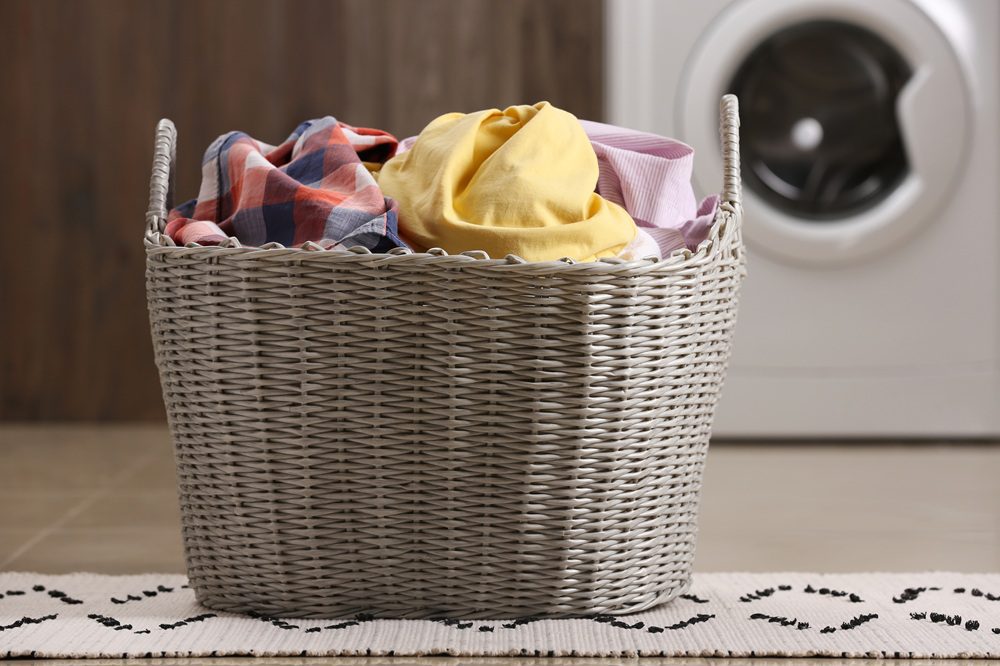
Spring does something to closets. The heavy layers come down, the lighter fabrics go up, and somewhere in the middle of that shuffle, you realize just how much your wardrobe went through over the past few months.
Winter is hard on clothes. Not dramatically, just gradually, through daily wear, cold air, and indoor heating. This is the time to clean – before you store, not after. Garments that go into the closet carrying winter's residue come out in worse shape than they went in. Odors set deeper. Fibers weaken. Moths find exactly what they are looking for.
Refreshing the right pieces now is what keeps them in good condition for next season and every season after that. Here is what is worth taking to the dry cleaner this spring.
Your coat took everything winter threw at it. Road salt splashed up from puddles and dried into the hem. Dust and exhaust from city streets settled into the outer shell. Body oils from months of daily wear soaked into the collar and cuffs. None of that is visible at a glance, but it is there, working against the fabric from the inside out.
Storing a coat without cleaning it first accelerates damage. Salt residue continues to break down fibers even in a closed closet. Oils oxidize and leave faint staining that is far more obvious when you pull the coat out again in the fall. Odors that seem mild become significantly less mild after months sealed away.
A quick inspection before drop-off helps the cleaner treat your coat correctly from the start.
Wool, cashmere, down, and technical shell fabrics all need different cleaning approaches. Getting this wrong at home risks shrinkage, loft loss in down fill, or permanent waterproofing damage on performance outerwear.
Over a winter of regular wear, wool and cashmere absorb perspiration, deodorant residue, and skin oils that are completely invisible but very much present in the fibers. That residue is exactly what moths target. They are not after the wool itself; they target the organic matter sitting in it.
A sweater stored without cleaning is a sweater at risk. Even a cedar block or lavender sachet will not fully protect a garment that carries food from pests. Cleaning before storage removes the attractant entirely.
Knitwear needs careful handling at every stage, not just during washing.
Beyond pest protection, cleaning wool and cashmere correctly before storage helps the fibers recover their shape and softness. Knits that go into a drawer compressed and unwashed tend to come out looking flattened and tired.
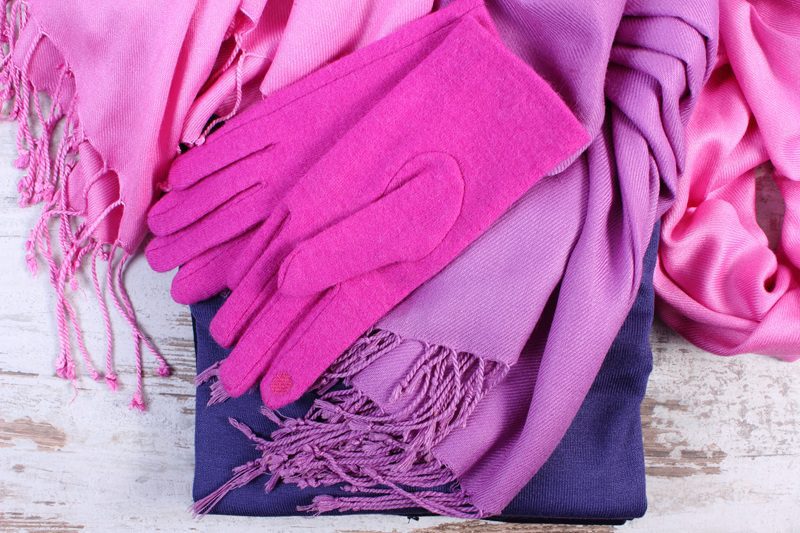
Accessories are the most consistently skipped items in seasonal cleaning, which is exactly why they should not be. These pieces are small enough that cleaning them feels like an afterthought. They are also small enough that the cost is low and the effort is minimal.
A cashmere scarf that goes into a drawer dirty in April and comes out in October with a faint smell and subtle pilling is a problem that was entirely avoidable.
Sorting accessories before cleaning prevents damage and keeps delicate pieces from being handled incorrectly.
Many wool and cashmere accessories should not go anywhere near a home washing machine regardless of what the label says. Professional cleaning returns them in better condition than they went in, without the risk of shrinkage or texture damage.
A comforter that has been on your bed since November has collected five months of body oils, sweat, dead skin cells, and dust mite activity. Spring is the natural moment to clean these items. You are likely switching to lighter bedding anyway, which means the winter comforter is coming off the bed regardless.
Cleaning it before it goes into storage means it comes back out in the fall fresh, odor free, and without the allergen load it carryied when it was removed.
Home machines are not always up to the job when it comes to heavy winter bedding.
Holiday parties, work events, end-of-year dinners. If you wore a suit or blazer to any of those between November and February, there is a chance it carries something invisible. Food mist, candle smoke, perfume from a hug, perspiration from a warm venue. None of it looks like a stain. All of it becomes a stain if the garment goes into a garment bag for months.
A quick check before storage catches problems that are much easier to address now than in six months.
Cleaning before long-term storage prevents oxidizing stains from forming and gives the garment a proper press going in, so it comes out next season ready to wear rather than needing attention before it can be used.
The lighter jacket you will begin to reach for every day has probably been sitting in the back of a closet since last March. Storage does things to fabric even when nothing visible is wrong. Dust settles into the weave. Creases set into the shoulders from months on a hanger. Any soil that was on the jacket when it was stored has had months to bond more deeply with the fibers.
Cleaning a transitional jacket before you start wearing it again rather than after the first few wears makes practical sense. You get a fresh start on the season, the garment gets a proper press, and you don’t carry last year's grime into this spring's rotation.
A few quick steps before the jacket goes back into regular use makes a real difference.
The throw blanket that lived on the sofa all winter. The flannel pillow covers that were on the guest bed for three months. The decorative cushion covers that got used every day from December through February. These pieces are household fixtures for most of the cold season, and they carry exactly what that implies.
Throw blankets in particular absorb a surprising amount over a winter season. Skin oils, food particles from snacking on the sofa, pet dander, and general ambient dust all accumulate in fabric that gets used daily and washed infrequently. Refreshing these items at the seasonal change means they go into storage clean and come back out next autumn ready to use.
Start with the pieces that saw the most use throughout the cold season.
Spring cleaning a wardrobe is not about doing more work. It is about doing the right things once, at the right time, so your clothes are in good shape when you need them again. The pieces that go into storage clean come back out ready to wear and do not tend to come back with problems.
LaFrance Cleaners offers reliable Wash and Fold Laundry Service across the Mahoning Valley, helping households stay on top of laundry week after week. Whether you bring in winter coats, cashmere knitwear, down comforters, or a season's worth of household linens, our team treats each piece according to what it actually needs.
Start your spring laundry reset today. Call LaFrance Cleaners and take advantage of FREE Pickup and Delivery Service to your home or office while we handle the washing, drying, and folding.
Phone: (330) 919-6200
OnlineScheduling: https://account.mydrycleaner.com/LAFRANCECLEANERSOH/#/login
Locations: https://www.lafrancecleaners.com/location/